如其所是之心,在行走與停留之間:如如 —— 郭輝 個展
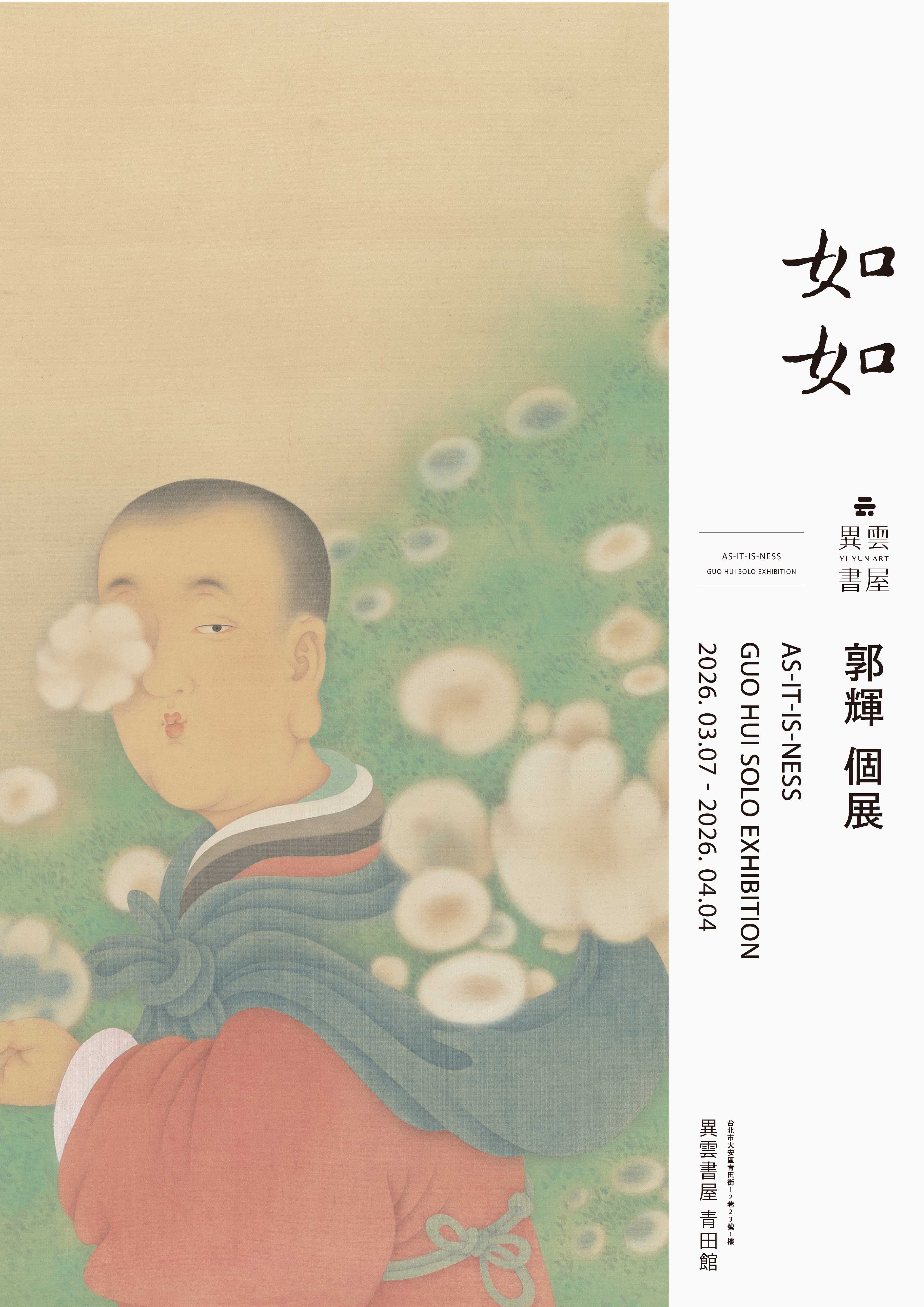
承續2025年「方外:圖寫非人」聯展,異雲書屋很高興於2026年3月為您呈獻藝術家郭輝的個展「如如」,也是郭輝在異雲書屋的首次個展。
郭輝以水墨工筆為主要創作方式,他回溯東方繪畫中「行旅」、「高士」、「觀物」、「雲遊」等經典母題,卻不以復古為目的,而是將這些題目抽離其歷史範式,轉化為可映照當代人心理狀態的圖景,展開一場持續的精神漫遊,一如其所言:「無論時代如何更迭,對內心世界的探索、對精神境界的追求,始終是跨越古今的永恆命題。」(註1)
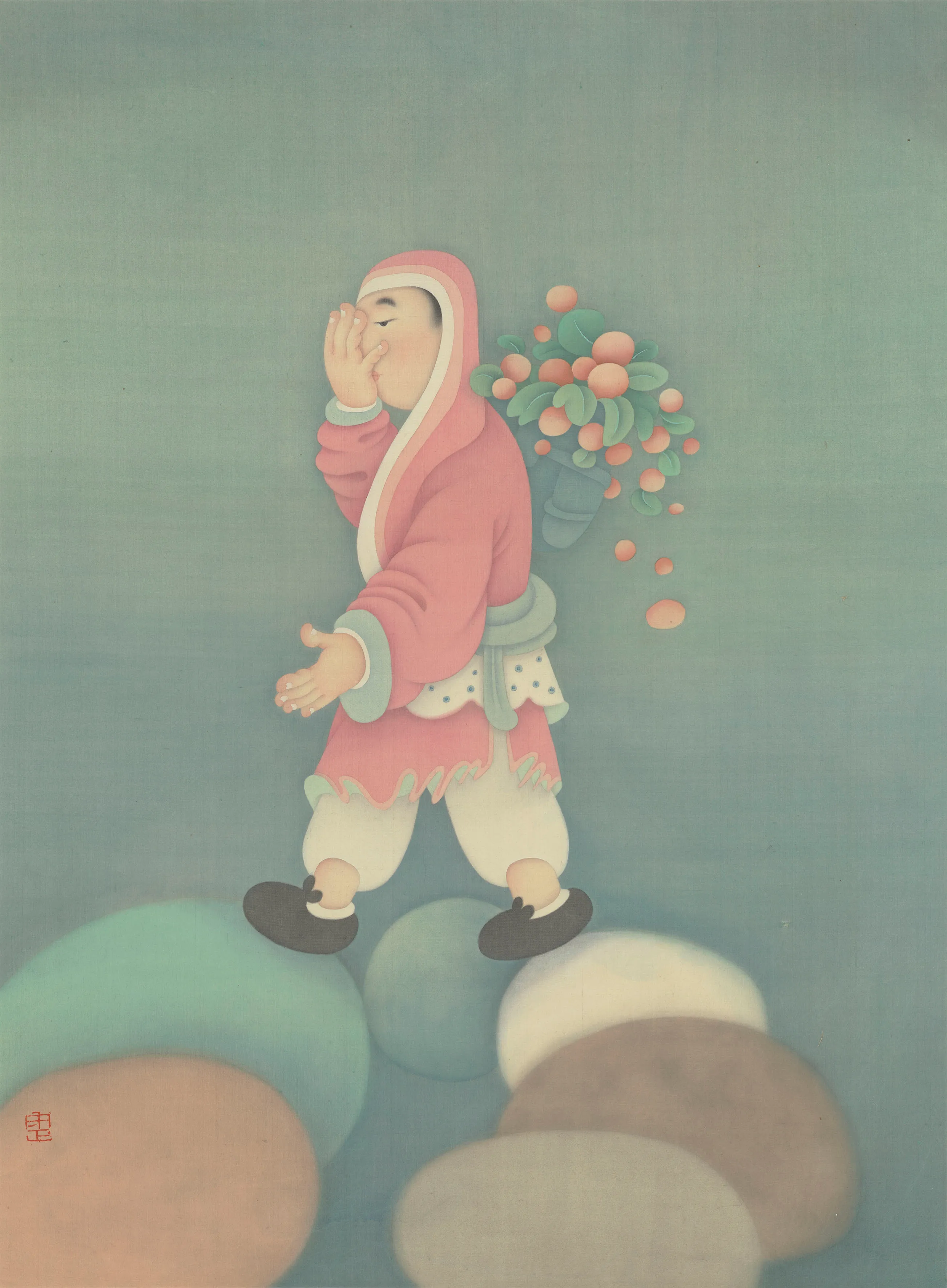
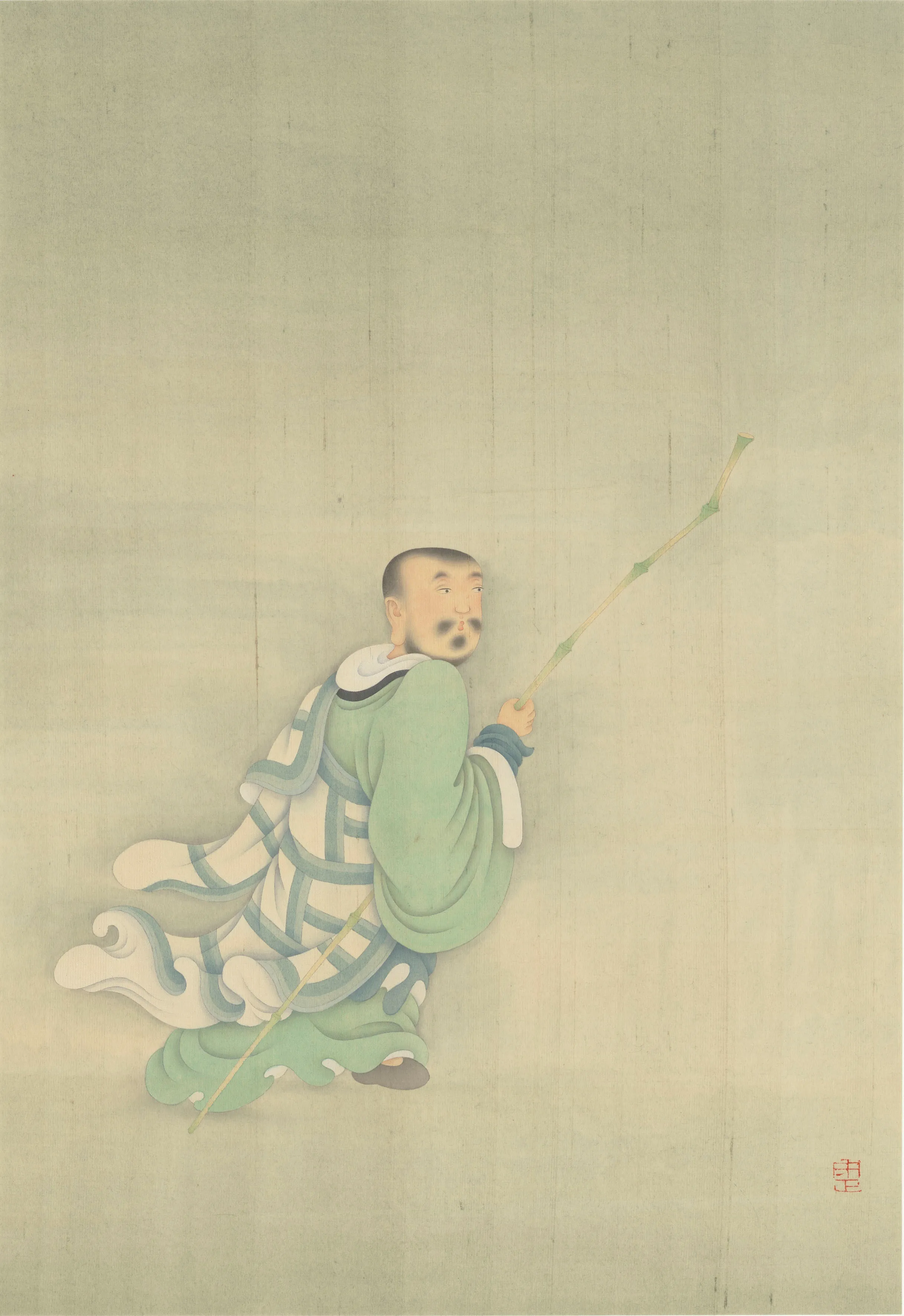
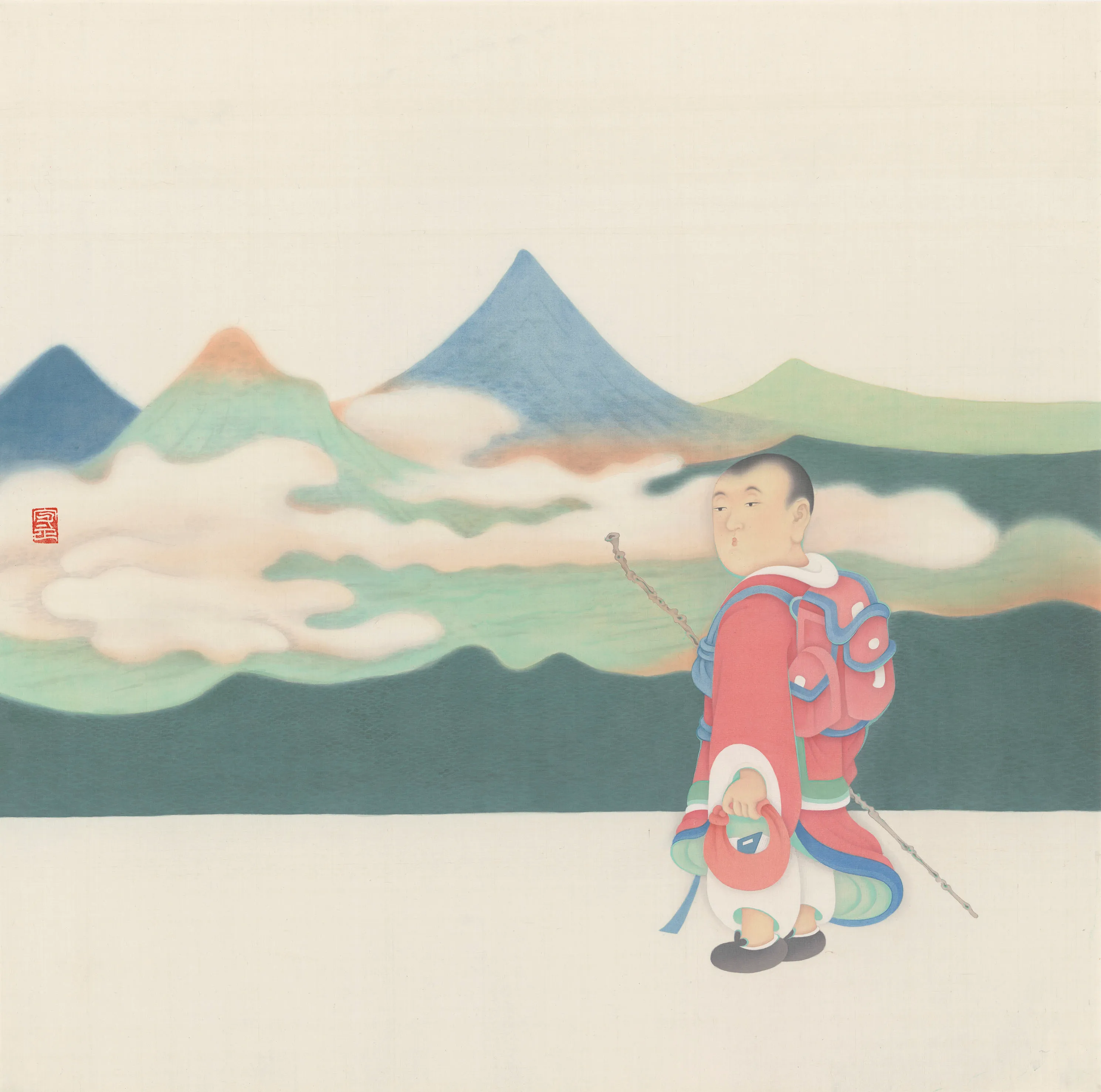
本次展出〈空山獨往(伏虎)〉、〈涉江〉、〈秋風策杖II〉、〈杖底丘山〉等作品中,可以看見郭輝對於「行者」的詮釋,無論是神情、步伐、姿態或者衣著配件,他們的形象皆不肖似古典文人所追求之灑脫與超然,反倒更接近當代人的處境——艱難前行,卻仍試圖在現實的洪流中篤定步履,守住心中的一片澄明。其中作品〈涉江〉,更是將傳統意義上所指涉的向外抗爭,轉變為向內的求索;〈杖底丘山〉減去了傳統行旅圖中有關於「路」的意象,將行走從目標導向中釋放開來——不為目的的行走可以很踏實,因為心中始終懷抱著一座不隨境轉的精神丘山。
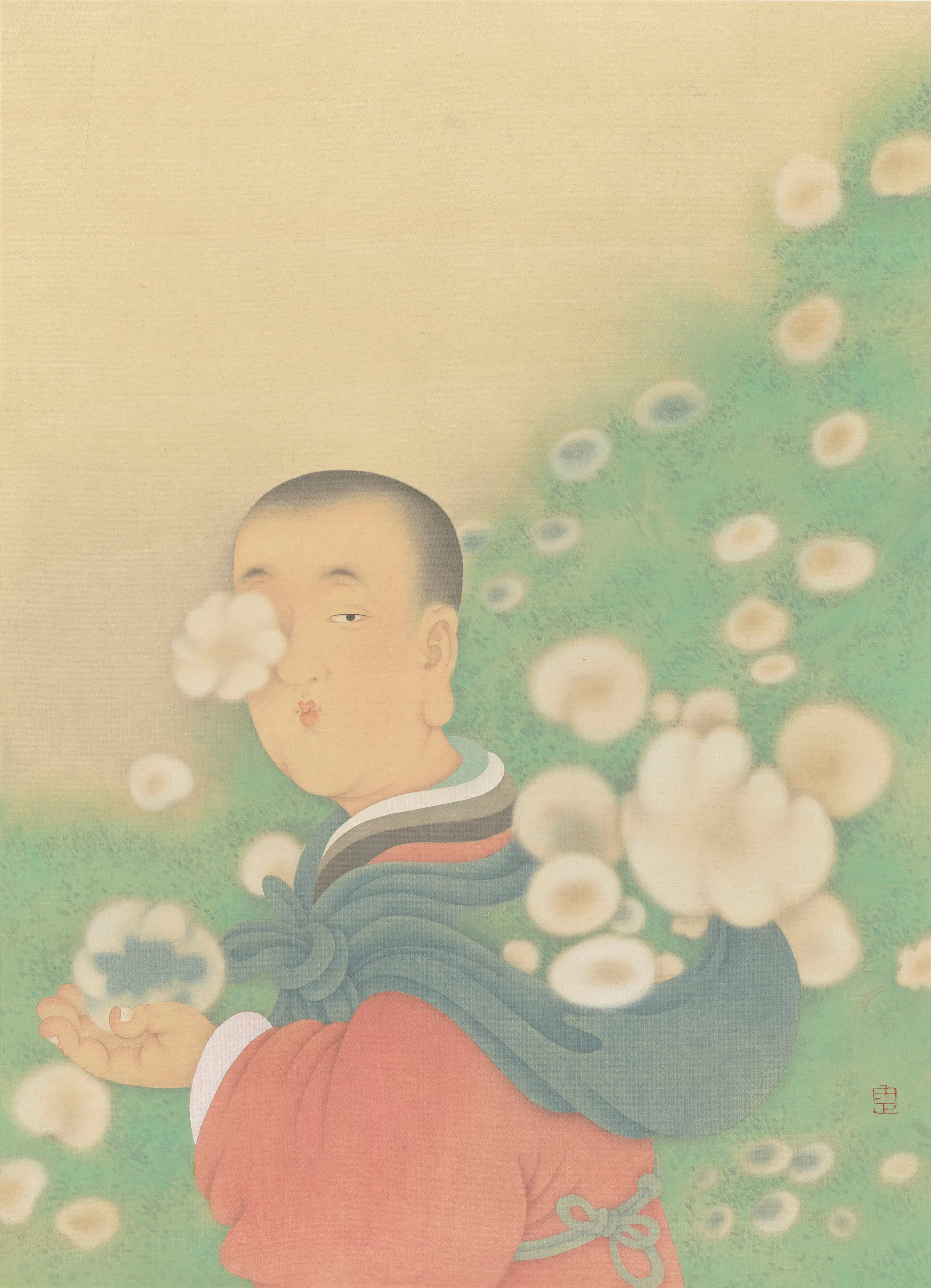
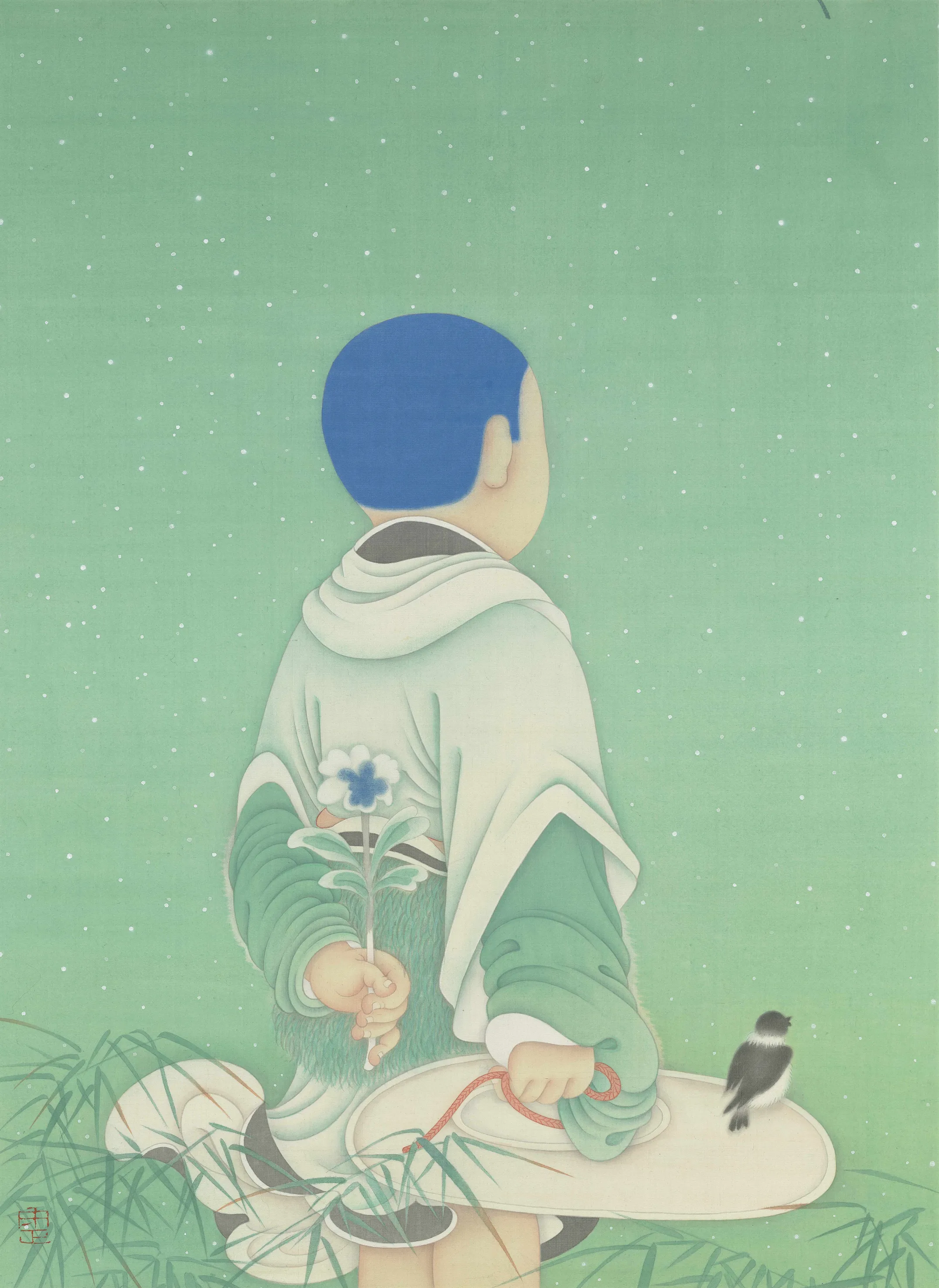
另一條同樣重要的線索,則指向「停留」與「觀看」。在〈春〉、〈清淨圖〉、〈清淨〉、〈觀虛〉與〈青靄中的旅程〉中,郭輝刻意模糊內外界的邊界感,讓花植、雲霧、空境成為心理的緩衝,為觀者創造一個「允許遲疑、允許迷茫、允許自我和解的空間」(註2) 。這些作品中的時刻不在於行進,而是停下與駐留;其意不在於自現實中遠走,而是放緩腳步,找回內心的平靜。
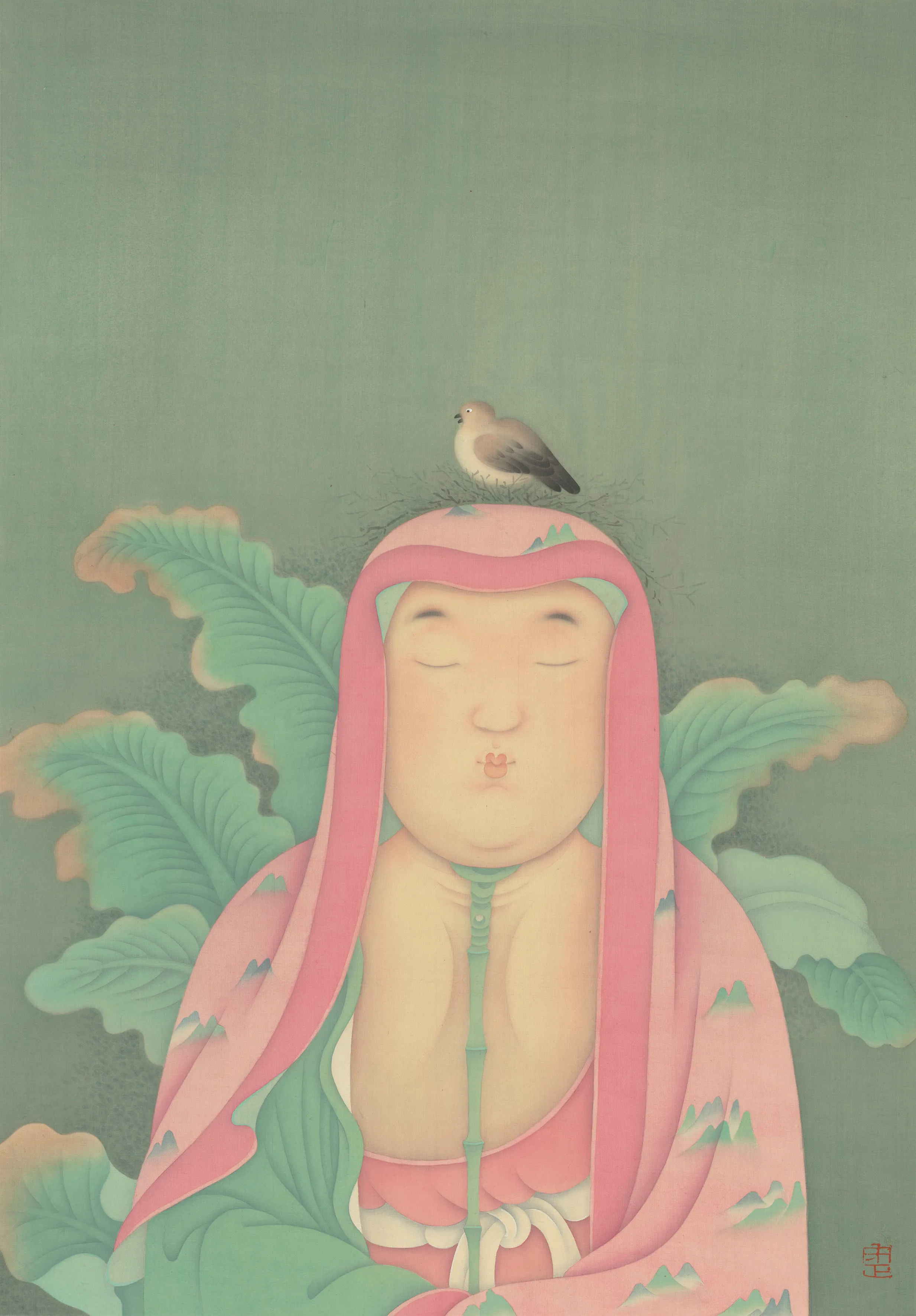
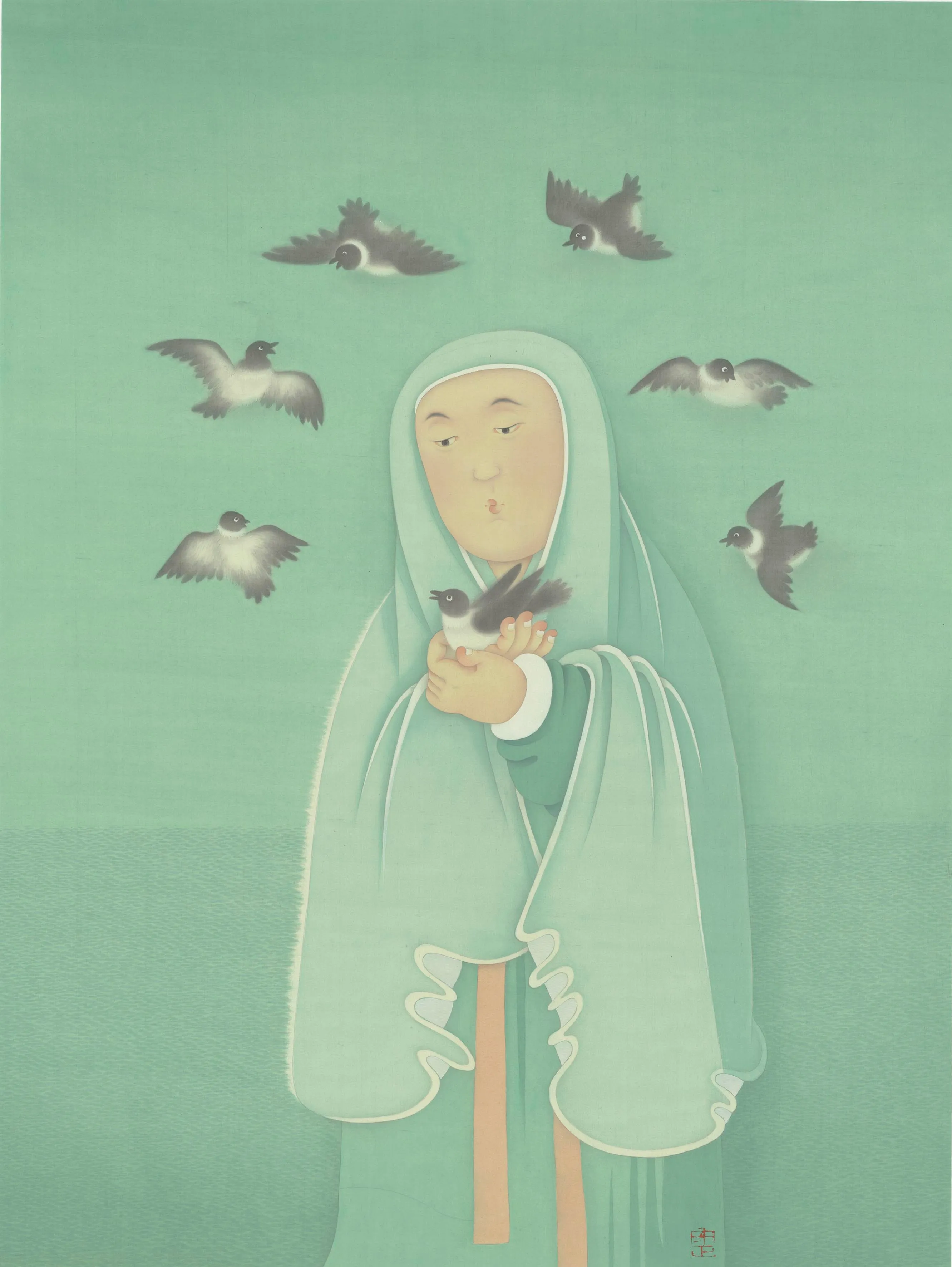
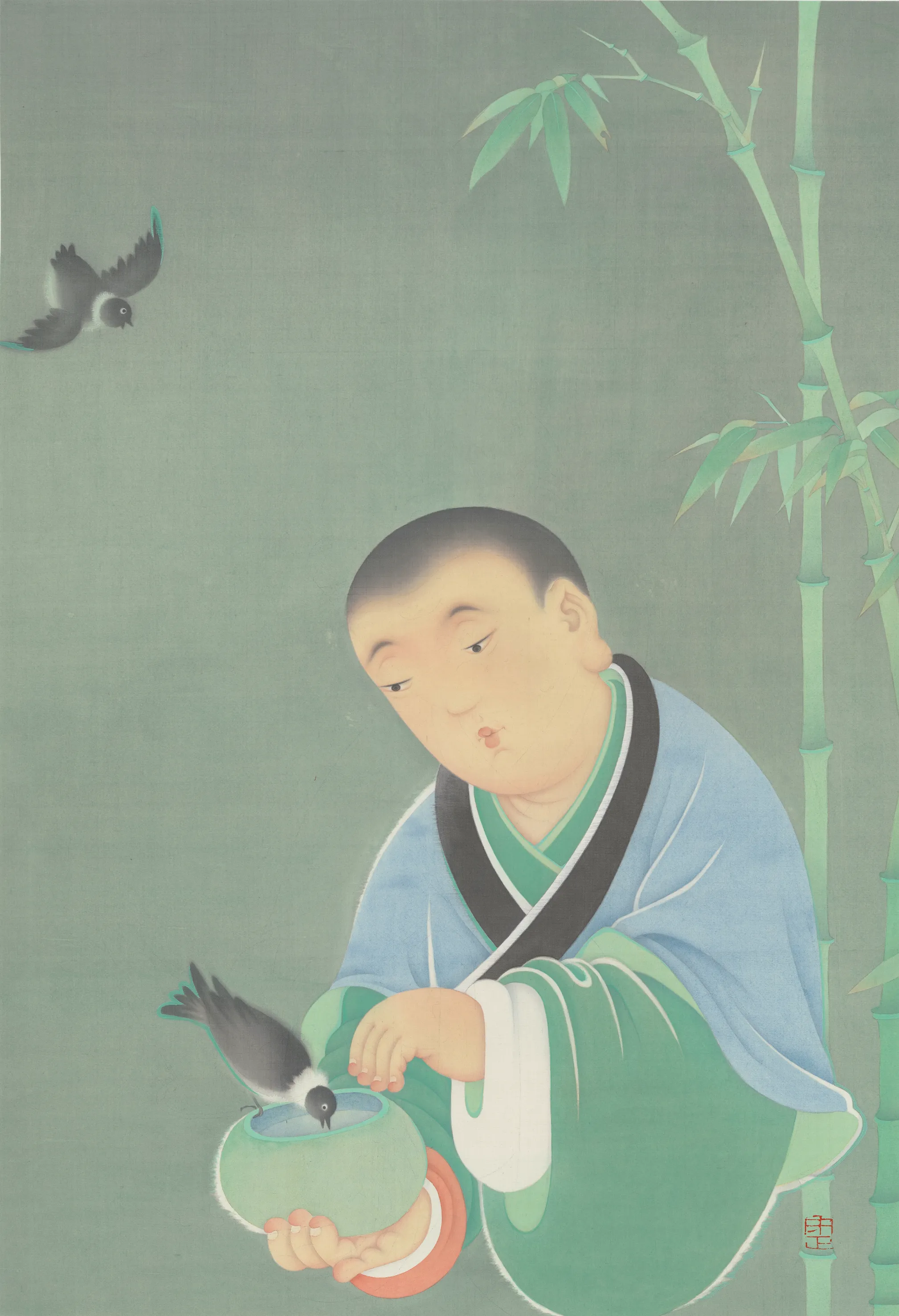
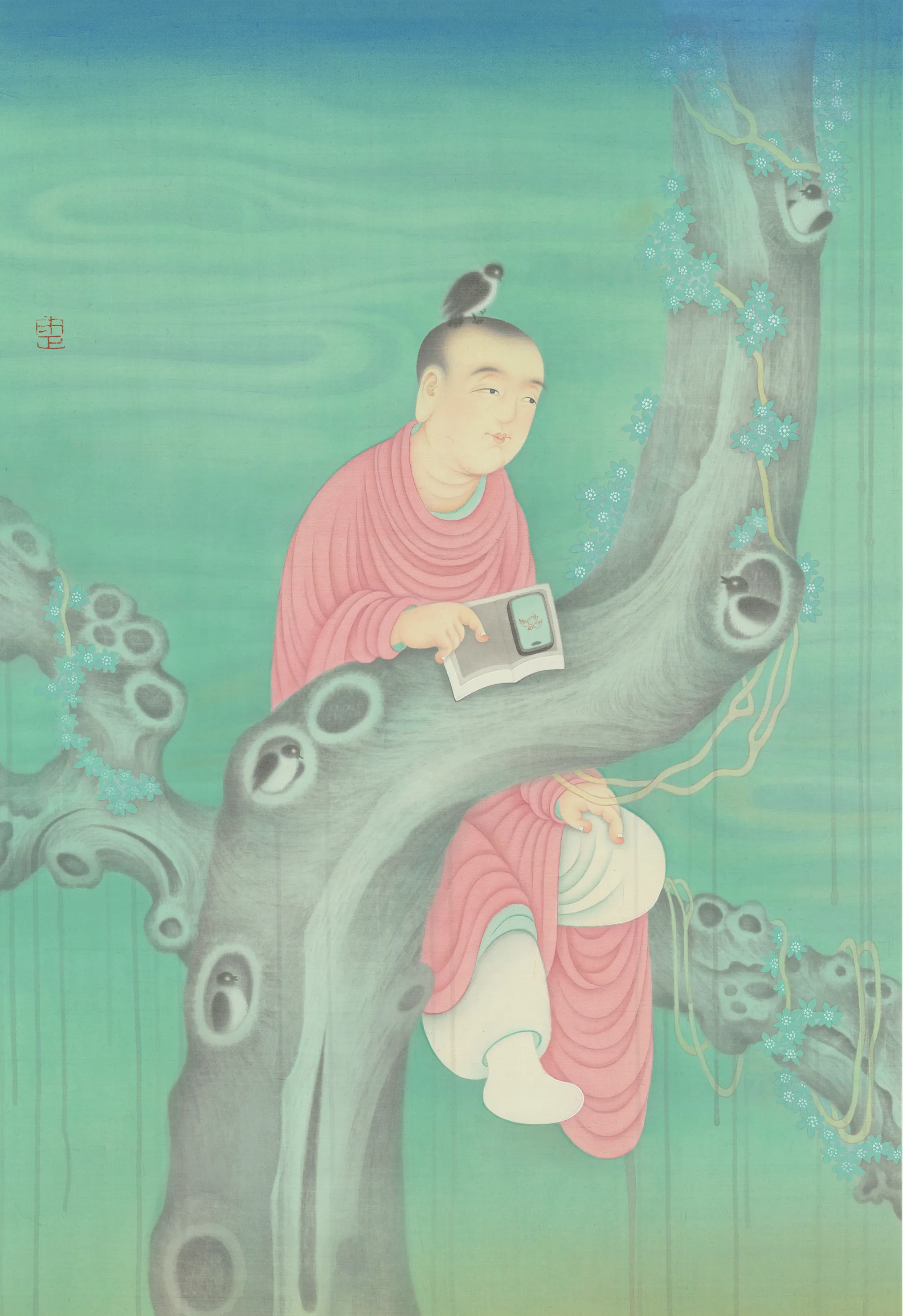
有關於「停留」的進一步延伸,則可見於〈飼雀〉與〈坐枝觀〉中,郭輝將視線安放於日常生活。他關注人與微小生命的互動、人與外物的關係——餵小鳥、滑手機,這些看似不足掛齒的瑣事——先是人和自然生靈之間締結了溫柔的連結,接著再同無法不使用手機的負罪感和解,各從「物我兩忘」、「物物而不物於物」的傳統美學中生出當代詮釋。
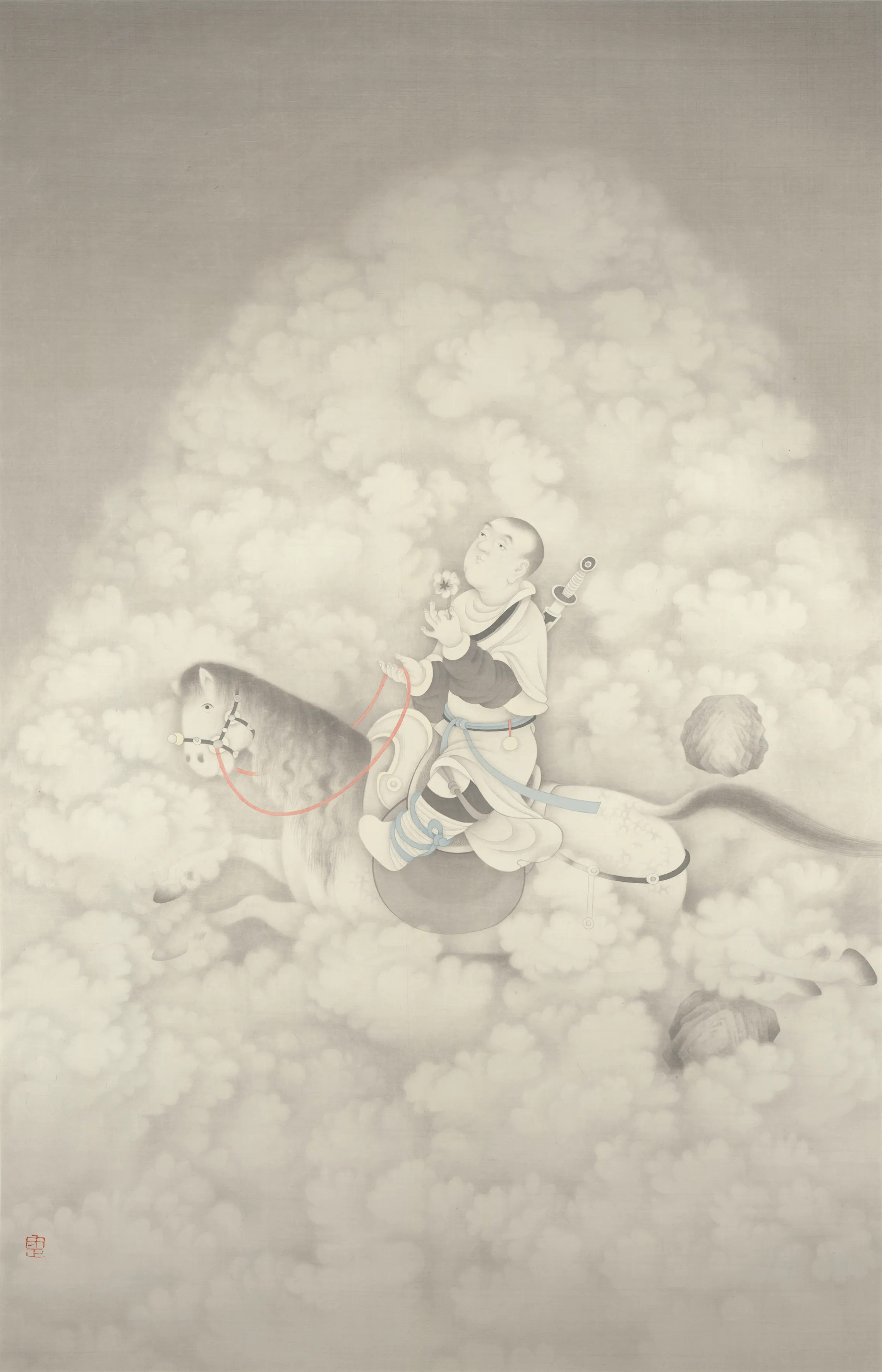
此外,尚有〈觀畫圖〉、〈飛鳥〉、〈雲遊〉、〈無題(藝術家的肖像)〉,分別從古典形制的當代思考、渴望生命的輕盈與自由等面向,與展覽主題遙相呼應,共同構成是次個展。整體而言,郭輝的作品所鋪開的,是「心隱而非形隱」(註3) 的自如世界,一種當代東方精神的具現。不必遁隱山林,也無需將自己置於現代生活的對立面,是儘管身處喧囂、兼程與時代的浪潮中,始終保留一處心靈可安坐、可凝望、可自省的所在——
他的丘山,是給內心居住的;
他的行旅,是為了在路途中不迷失自己。
在郭輝的筆下,如其所是,從來不在遠方,在於我們是否仍願意,為內在世界留出一點空、一點靜,以及一點不被催促的時間。
(註1) 出自郭輝〈觀畫圖〉創作自述
(註2) 出自郭輝〈青靄中的旅程〉創作自述
(註3) 出自郭輝〈坐枝觀〉創作自述
———
The Mind As It Is, Between Walking and Staying
As-it-is-ness: A Solo Exhibition by Guo Hui
Following the 2025 group exhibition Beyond the Bounds: Figuring the Nonhuman, Yi Yun Art is pleased to present in March 2026 the solo exhibition As-it-is-ness by Guo Hui—his first solo presentation at the gallery.
Working primarily in Gongbi painting, Guo revisits classical motifs in East Asian art such as the itinerant journey, the lofty recluse, contemplation of things, and spiritual wandering. His aim, however, is not antiquarian revival. Instead, he releases these subjects from their historical frameworks and transforms them into images that reflect the psychological condition of contemporary life, unfolding an ongoing inner journey. As the artist writes, “Regardless of how eras change, the exploration of the inner world and the pursuit of a spiritual realm remain enduring questions that traverse past and present alike.” (n.1)
In works such as Solitary Passage (Taming the Tiger), Crossing the River, Walking Staff in the Autumn Wind II, and Hills Beneath the Staff, Guo offers varied interpretations of the itinerant figure. In expression, gait, posture, and attire, these figures depart from the effortless transcendence idealized by classical literati painting. Instead, they resonate more closely with contemporary experience—moving forward with difficulty, yet striving to steady their steps within the currents of reality while preserving an inner clarity.
In Crossing the River, the traditional implication of outward resistance is transformed into an inward search. In Hills Beneath the Staff, the conventional imagery of the road is removed, releasing walking from goal-directed movement: walking without destination may still remain grounded, sustained by an inner landscape that does not shift with circumstance.
Another equally significant thread turns toward staying and seeing. In Vernal Quietude, Pure Stillness, Pure Clarity, Gazing into Emptiness, and Journey Through Blue Mist, Guo deliberately blurs the boundary between interior and exterior realms. Flowers, mist, and a state of voidness serve as psychological buffers, creating a space for the viewer that “permits hesitation, confusion, and reconciliation with oneself.” (n.2) Here, the meaning lies not in progression but in pause; not in withdrawal from reality, but in slowing one’s pace in order to recover inner calm.
This notion of staying extends further in Feeding the Sparrows and Resting on Branches, Seeing Beyond, where Guo turns his attention to the quiet details of everyday life. He observes the interaction between human beings and small living creatures, as well as the relationship between the self and surrounding things—feeding birds and mindless scrolling on a phone—seemingly trivial acts. These gestures first form gentle bonds between people and the natural world, and then lead toward a reconciliation with the quiet guilt of our unavoidable dependence on digital devices. From classical aesthetic ideas such as the mutual forgetting of self and object, and engagement with things without being possessed by them, Guo derives contemporary interpretations.
Additional works—Contemplating a Painting, Birds in Passage, Wandering Among Clouds, and Untitled (Portrait of the Artist)—echo the exhibition’s themes through reflections on classical form, the longing for lightness and freedom, and the condition of being. Together they compose the present exhibition.
Taken as a whole, Guo’s practice unfolds a realm of “inward reclusion rather than physical withdrawal” (n.3)—an embodied expression of a contemporary Eastern sensibility. One need not retreat to distant mountains, nor position oneself in opposition to modern life. Even amid noise, urgency, and the tides of the age, a place may still be preserved within the mind—a site for repose, contemplation, and self-reflection.
His hills are landscapes for the spirit to dwell in;
His journeys are paths that keep one from losing oneself.
In Guo’s vision, as-it-is-ness has never resided in distant places. It depends instead on whether we remain willing to leave within ourselves a measure of openness, stillness, and unhurried time for the inner world.
(n.1) From Guo Hui’s artist’s statement for Contemplating a Painting
(n.2) From Guo Hui’s artist’s statement for Journey Through Blue Mist
(n.3) From Guo Hui’s artist’s statement for Resting on Branches, Seeing Beyond






_%E5%B0%8F.webp)
